Climate Network Türkiye’s Position on the 2040 National Energy Plan
The 2040 National Energy Plan announced by the Ministry of Energy and Natural Resources contains no roadmap for phasing out fossil fuels. It fails to include a coal phase-out timeline, one of the most urgent steps Türkiye needs to take towards an energy transition. Moreover, the plan’s commitment to maintaining incentives for coal investments and increasing investments in gas and oil demonstrates that Türkiye is choosing to deepen its existing dependence on fossil fuels rather than move away from them. The plan also envisages increasing the share of nuclear energy. Türkiye, which will host and preside over COP31, is claiming climate leadership while simultaneously setting out plans to expand fossil fuel investments. This sends an extremely contradictory and alarming message to the world.
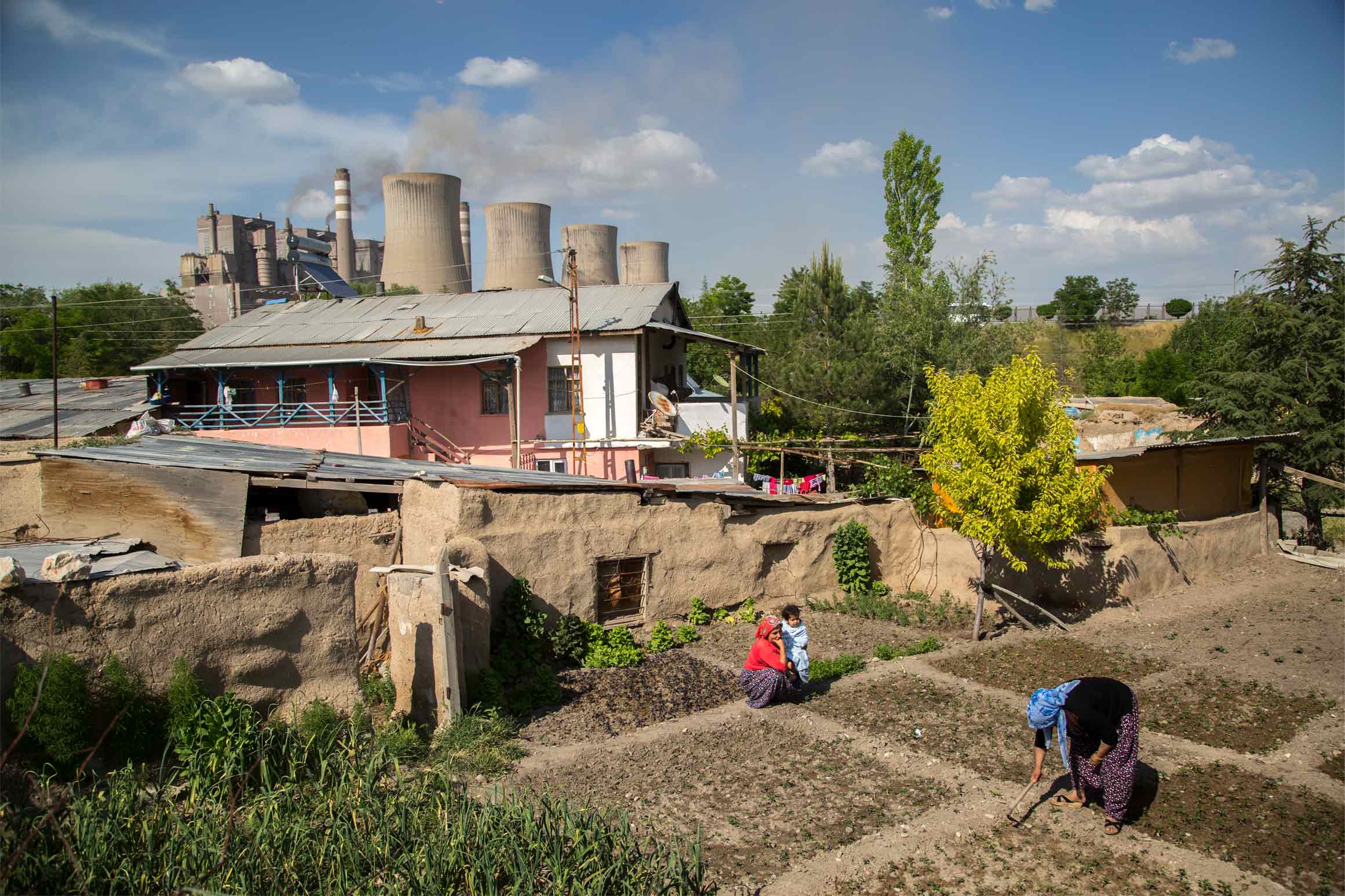
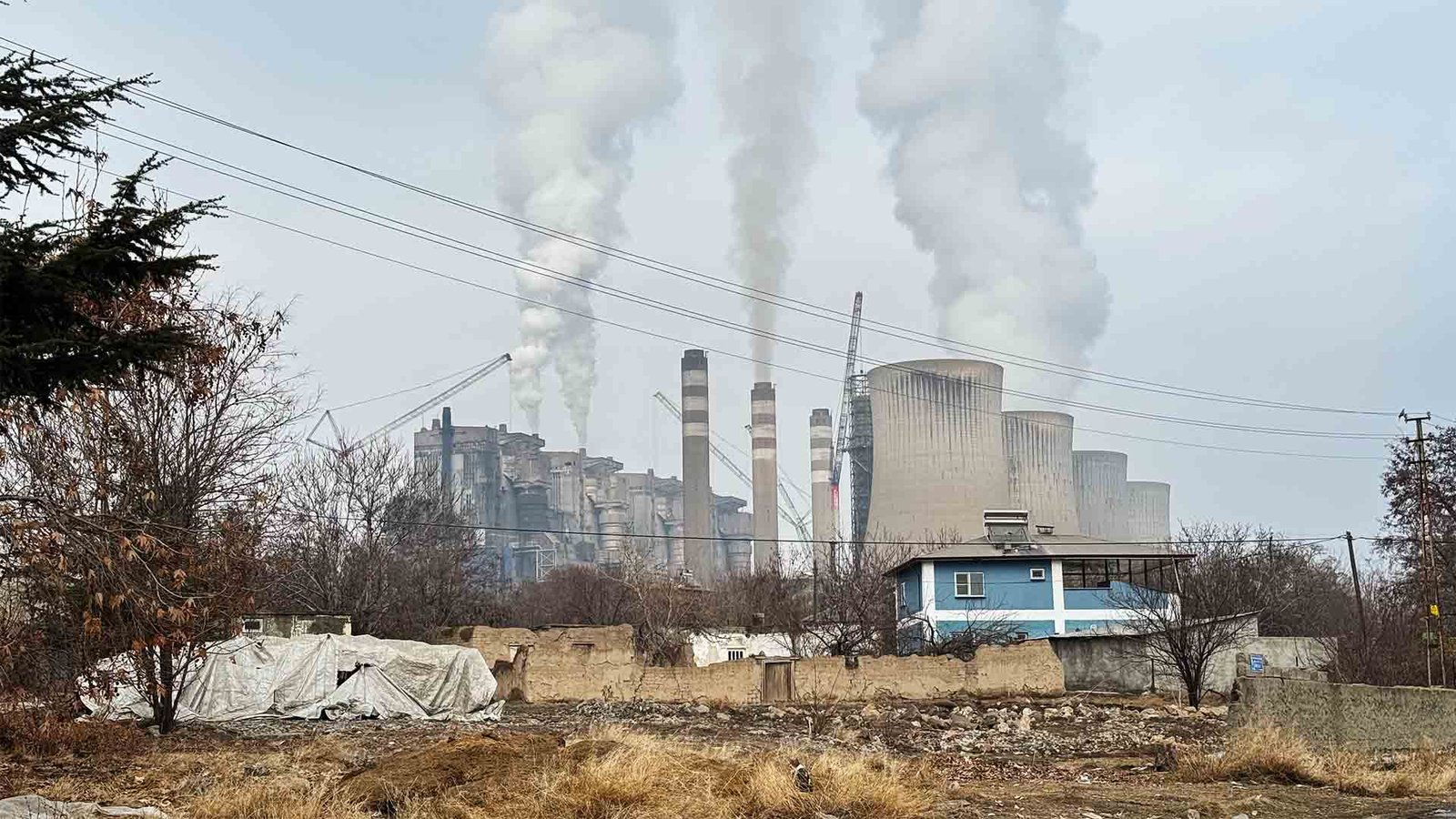
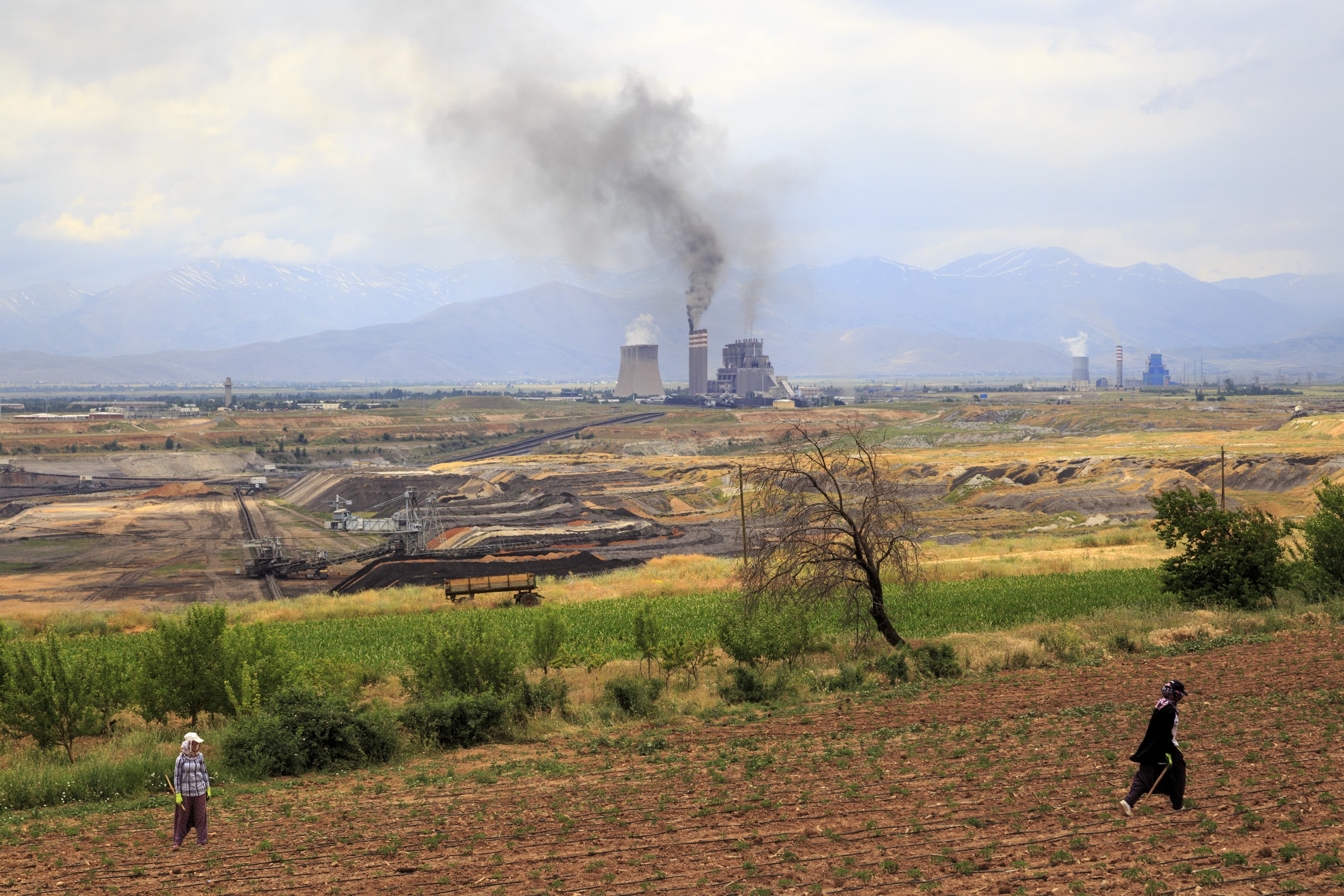
One-third of Türkiye’s current electricity generation comes from coal, 60% of which is imported. Rather than setting out a plan for the orderly and gradual closure of coal-fired power plants, the plan states that incentives for coal-based electricity generation will continue. Our demands are clear: public subsidies for coal must end, urgent expropriation decisions for mining activities must be stopped, new coal projects must be halted, and just transition policies that protect local communities and workers must be developed.
We are deeply concerned by Türkiye’s insistence, as outlined in the plan, on adding new nuclear power plants in Sinop and Trakya in addition to Akkuyu. Nuclear energy remains one of the most expensive methods of electricity generation, alongside the risks of accidents, the problem of radioactive waste and lengthy construction periods. Indeed, while Akkuyu Nuclear Power Plant has been granted a purchase guarantee of 12.35 US cents/kWh, the purchase guarantees offered for wind and solar energy under the 2025 YEKA tenders were 3.50 euro cents/kWh and 3.25 euro cents/kWh, respectively, approximately one-third of the guarantee granted to Akkuyu. The situation is no different with next-generation reactors such as small modular reactors (SMRs): their high costs and waste-related problems remain unresolved. Furthermore, nuclear investments risk delaying renewable energy investments, such as solar and wind, which are much cheaper, can be brought online more quickly and can reduce emissions today, while also increasing Türkiye’s dependence on external energy sources.
Electrification targets that are not backed by a concrete fossil fuel phase-out timeline and plan undermine the fundamental purpose of the energy transition. Electrification alone does not mean decarbonisation; as long as dependence on coal and gas in electricity generation continues, these targets cannot provide a solution to the climate crisis. A genuine energy transition requires electrification to go hand in hand with a fossil fuel phase-out and a rapid expansion of renewable energy capacity.
The plan’s target of 77% renewable energy capacity remains insufficient, given Türkiye’s potential. The goal should be an electricity system based entirely on renewable energy sources. An energy transition based on renewables, including electrification, must be just, nature-compatible and grounded in an approach that strengthens energy democracy. The transition should support the participation of local governments, energy cooperatives and communities in energy generation and decision-making processes. The rights and livelihoods of local communities must be protected, economic benefits must be shared with communities, and the costs of the transition must not be passed on to low-income households. Furthermore, human rights, workers’ rights and ecosystems must be safeguarded in the extraction and processing of critical minerals, and ecologically sensitive areas must be protected from mining.