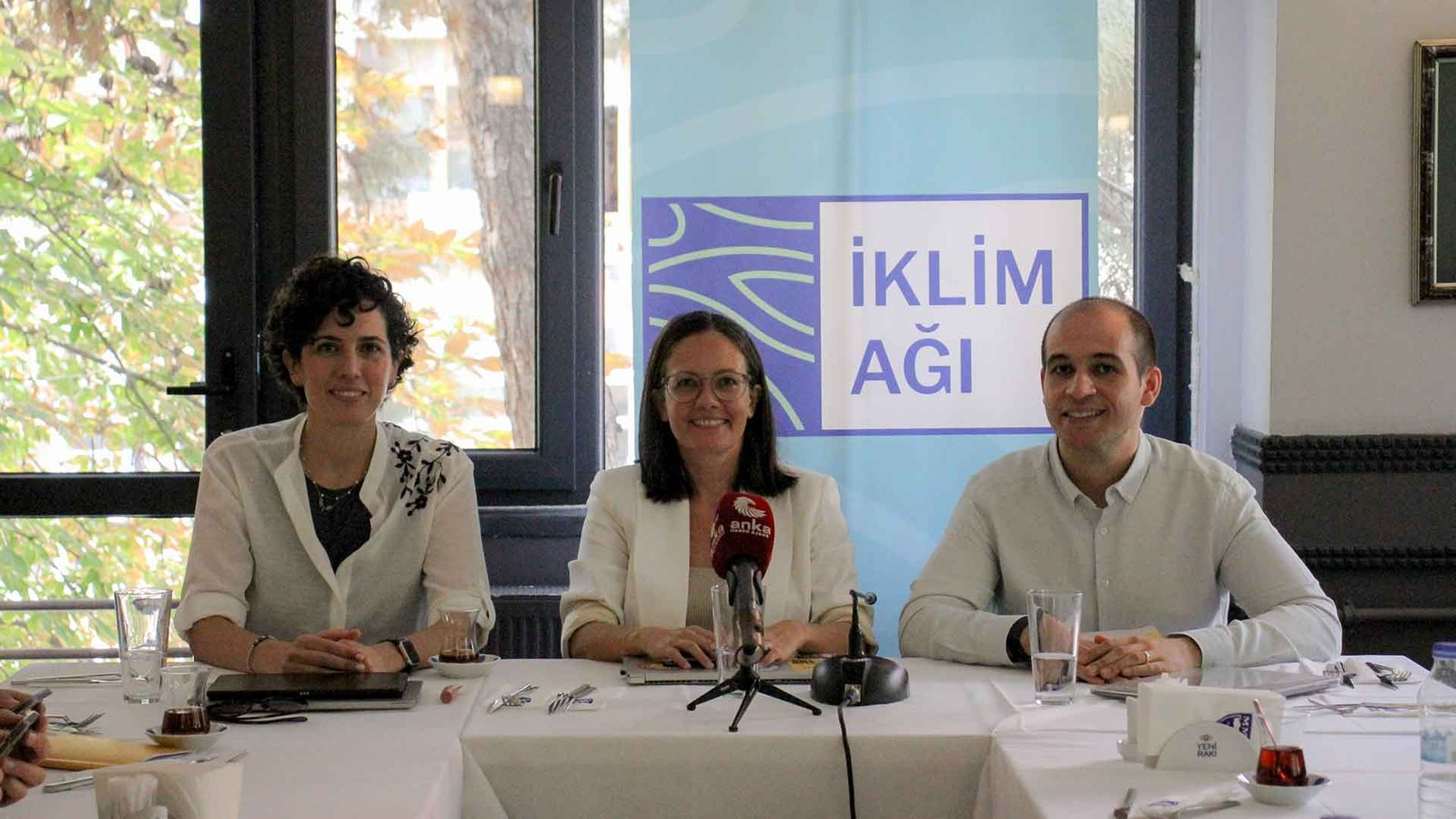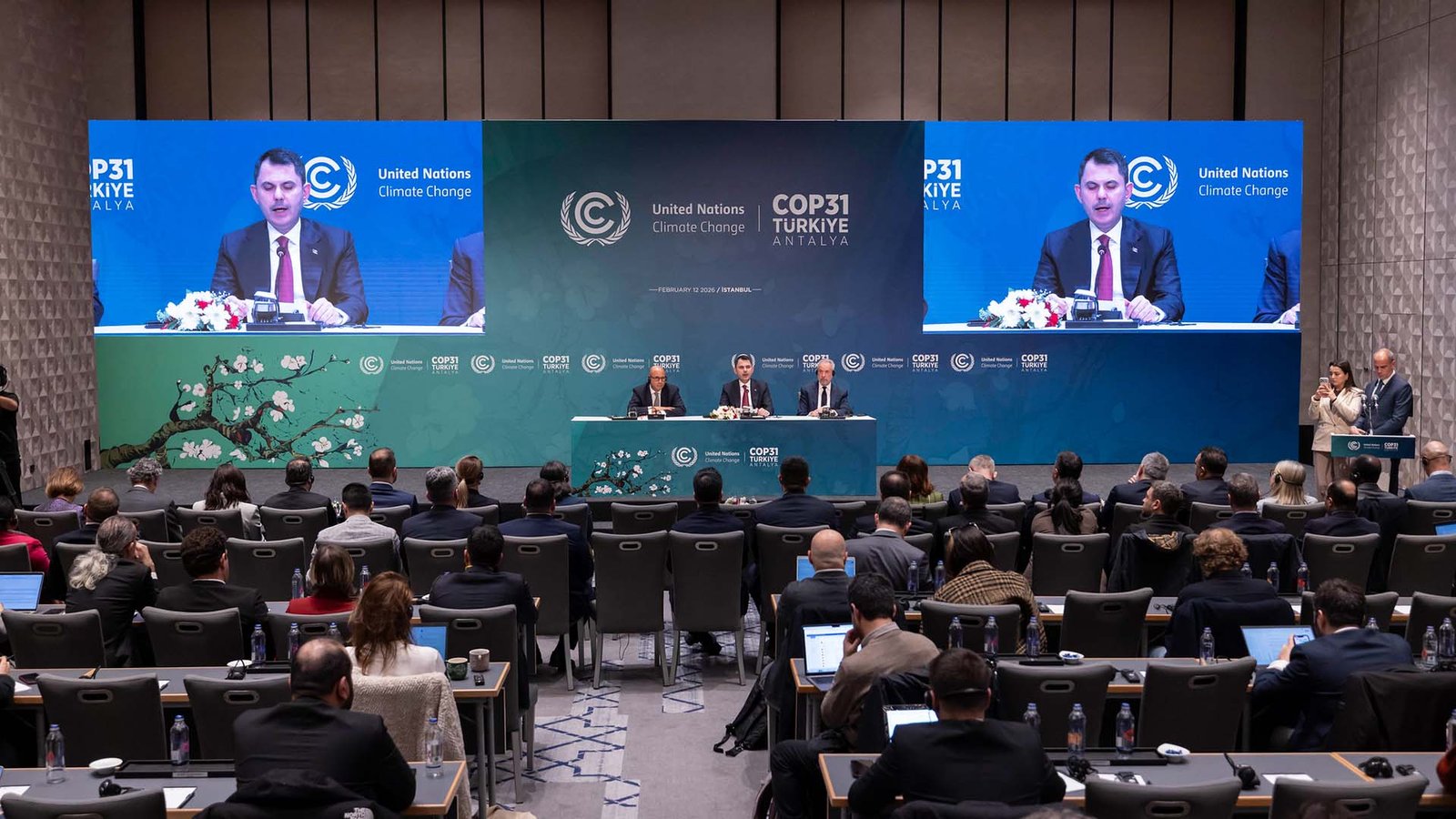
Climate Network Türkiye, a coalition of 17 civil society organisations working on climate issues, presented Türkiye’s climate report card at its fourth online press conference ahead of COP31.
The Network highlighted several issues in Türkiye’s climate report card that contradict the country’s claim to climate leadership:
- Climate Network Türkiye has been denied participation in decision-making processes and COP31 side events.
- Mining and fossil fuel companies have been brought on board as COP31 partners.
- Türkiye’s 2035 climate target envisages an increase in emissions rather than reductions.
- New coal investments and mounting pressure from mining activities.
The Network emphasised that concrete steps are needed on public participation, emissions reductions, a just phase-out of coal, and electrification powered by renewable energy to ensure that COP31 produces credible climate action.
Türkiye’s Climate Report Card
Climate Network Türkiye excluded from COP31
1. The COP31 President’s commitment to public participation has not been put into practice. Climate Network Türkiye’s request for a meeting with the COP31 President was not taken into consideration, and the Network was not given a place in the side events organised by Türkiye as part of COP31. Instead, mining and fossil fuel companies have been brought on board as COP31 partners. Preventing Climate Network Türkiye from engaging in dialogue with decision-makers and participating in the summit programme clearly contradicts the commitments made regarding civil society participation.
Türkiye’s emissions are increasing
2. The first step towards climate resilience is reducing the emissions that drive and intensify the impacts of climate change and limiting global temperature rise.
In Türkiye, where the impacts of the climate crisis are becoming increasingly severe, we need effective climate policies to address wildfires, floods, droughts and agricultural losses. Türkiye’s 2035 climate target was prepared without taking civil society’s views into account and envisages an increase in emissions rather than reductions. This approach does little to strengthen Türkiye’s response to the climate crisis and puts society’s ability to prepare for a safe and resilient future at risk.
Phasing out coal is essential
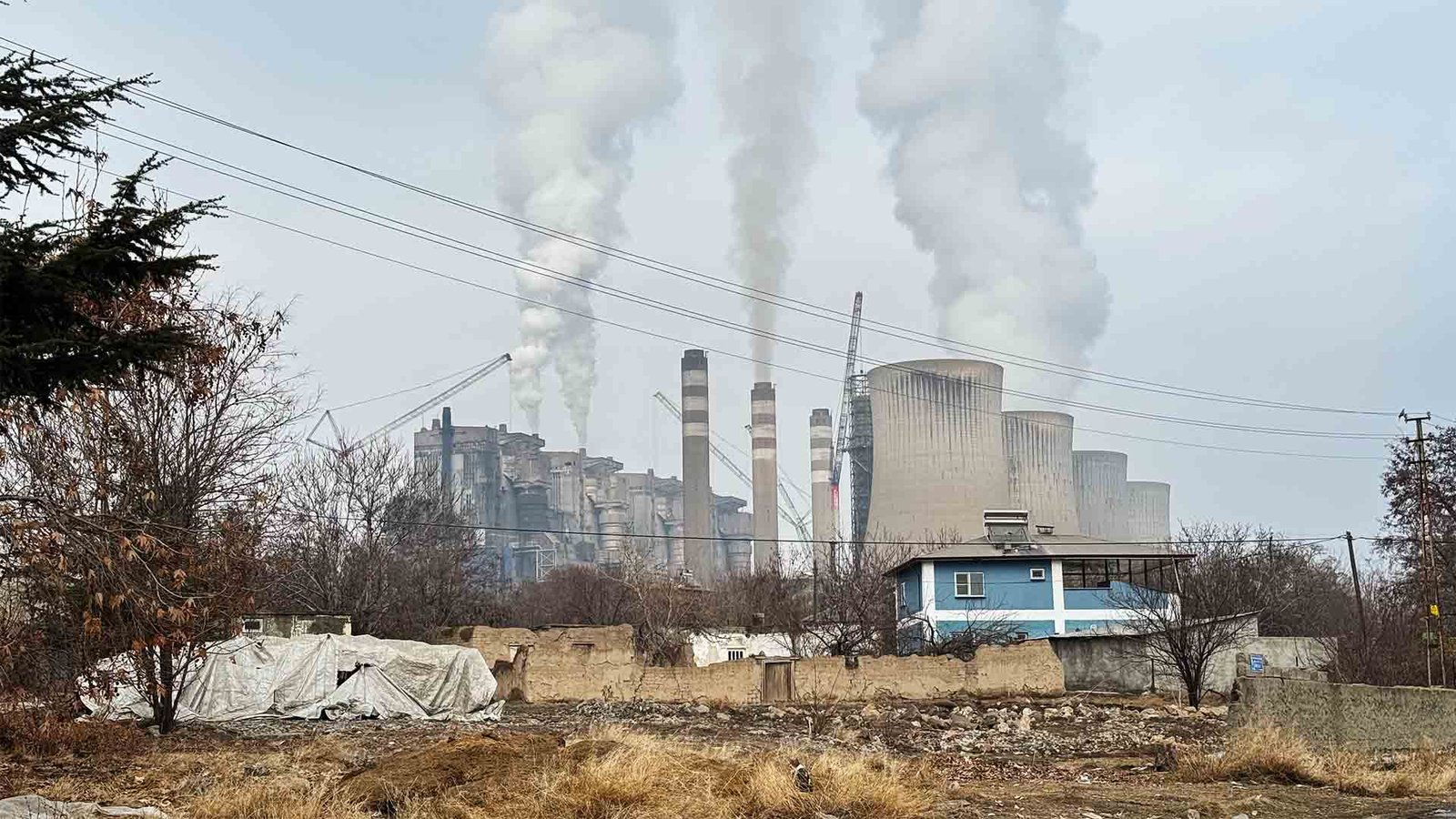
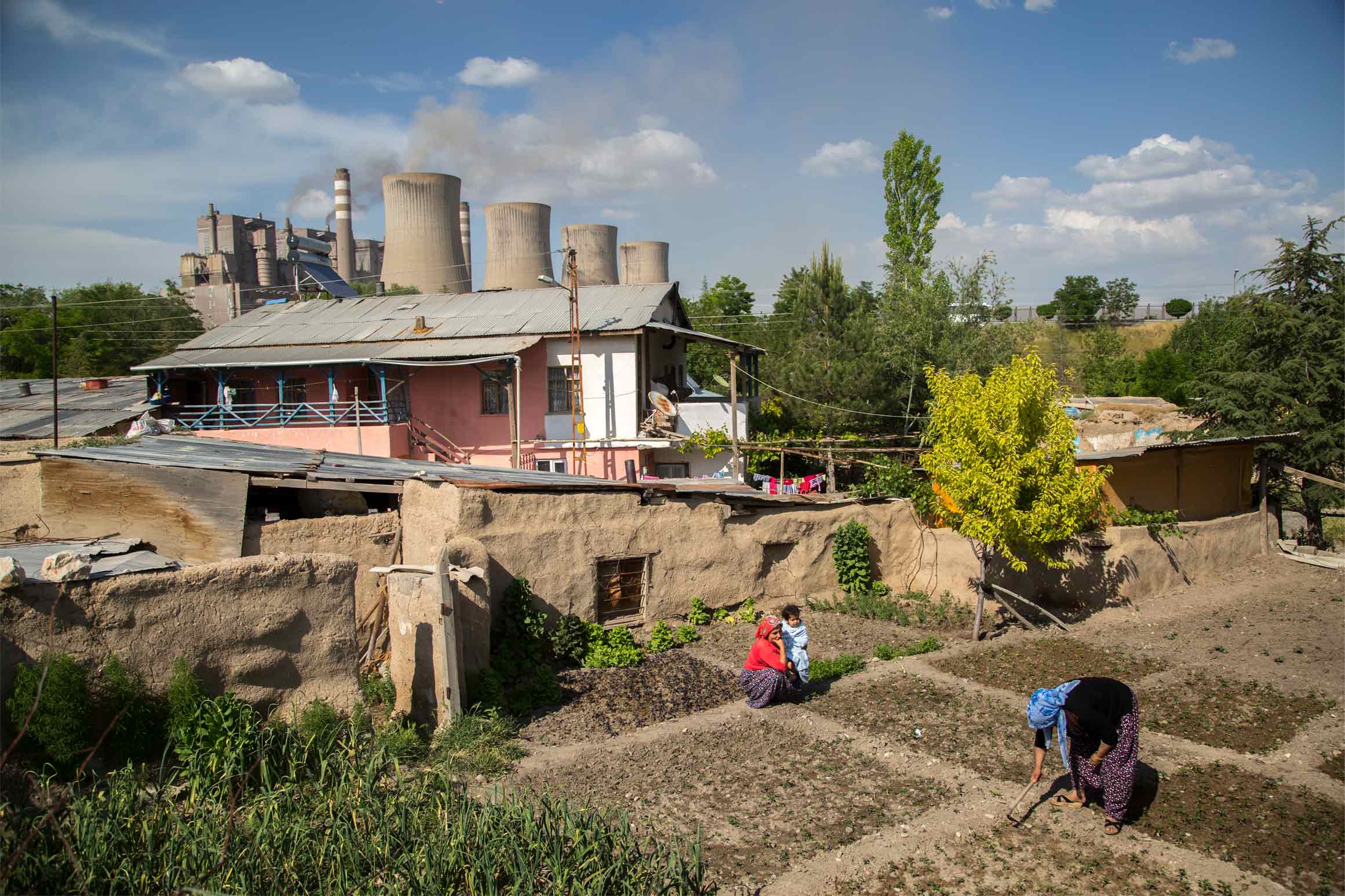
3. While plans are underway to build new coal-fired power plants in Çanakkale and Afşin-Elbistan, olive groves and villages around Akbelen are being destroyed through urgent expropriation for coal mining.
At the same time, coal-fired power plant companies continue to receive government subsidies. This creates a contradiction for Türkiye as the country prepares to host and preside over COP31.
Public support for coal must end, urgent expropriation decisions for mining activities must be halted, new coal projects must be stopped, and a timeline for a just phase-out of coal must be established.
Just transition fails to offer solutions for coal-dependent region
4. The draft National Just Transition Strategy and Action Plan fails to address the need for a just transition in coal-dependent regions. The draft does not put forward action plans that would guarantee employment and income security for workers in coal regions or support regional economic transformation. It also fails to adequately address gender dimensions, including women’s employment opportunities and unpaid care work.
Furthermore, the failure to take civil society’s demands into account during the preparation process contradicts one of the fundamental principles of a just transition: public participation.
Electricity must come from renewables, not coal
5. Türkiye’s global electrification pledge announced as part of COP31 is an important and necessary step towards achieving climate targets. However, the success of electrification depends on meeting electricity demand through wind and solar power and accelerating the phase-out of coal and gas.
An electrification strategy that takes public participation and social justice into account must address renewable energy investments alongside energy efficiency, energy savings, storage, grid infrastructure and clean flexibility solutions.
Plastic waste imports must be banned
6. Türkiye aims to highlight its Zero Waste agenda by incorporating it into the summit’s Action Agenda.However, Türkiye’s continued acceptance of plastic waste from other countries contradicts its Zero Waste ambitions and is poisoning our seas, forests and public health. Plastic waste imports must be included within the scope of the Zero Waste agenda and completely banned. Plastic must be recognised as part of the climate crisis, and the establishment of new plastic production facilities must come to an end.
Transparency is essential for the taxonomy
7. Türkiye’s Green Taxonomy Regulation opens the door to financial support for energy production projects based on gas and nuclear power by classifying them as “green” in the transition towards a net-zero economy.
Furthermore, civil society is not represented on the committee established to update and develop the taxonomy.
The regulation also significantly restricts transparency and access to information by making the disclosure of all information and documents, even those that do not constitute commercial secrets, subject to the consent of the relevant company.