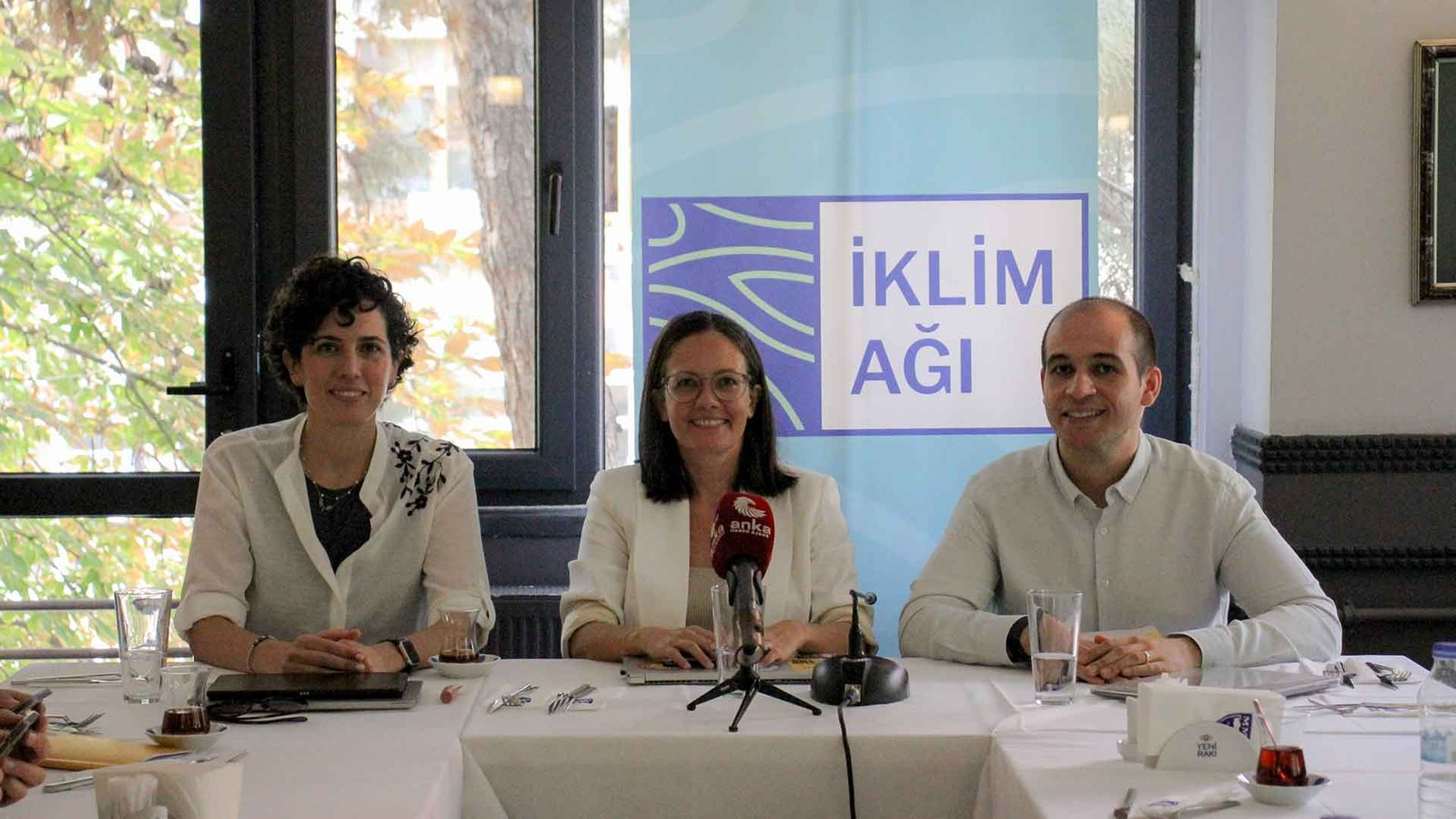
Climate Network Türkiye, a network of 17 civil society organisations working on climate issues, stated that the Draft National Just Transition Strategy and Action Plan prepared by the Ministry of Labour and Social Security fails to address the need for a just transition in coal regions.
Climate Network Türkiye highlighted significant shortcomings in the draft in terms of participation, employment security and the economic transformation of coal regions. Its statement addressed the implications of these shortcomings, particularly for workers and local communities:
“The Draft National Just Transition Strategy and Action Plan prepared by the Ministry of Labour and Social Security fails to address the need for a just transition in coal regions. The failure to take into account the demands of climate civil society organisations during the preparation process, which has been underway since 2022, undermines participation—one of the fundamental principles of a just transition—from the outset.
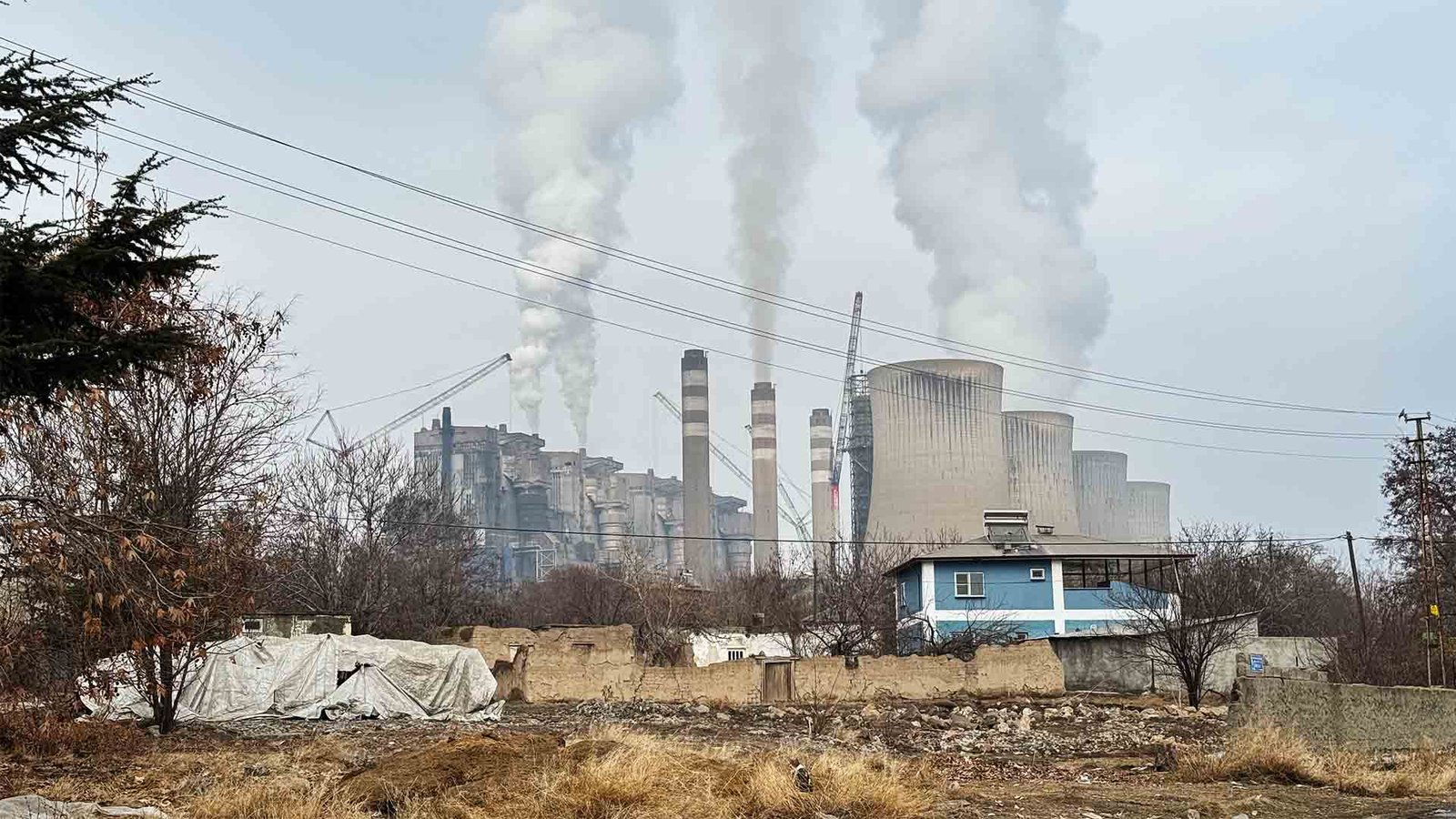
In recent years, coal miners and coal-fired power plant workers in Eskişehir, Ankara, Afşin-Elbistan, Soma, Yatağan and Çayırhan have either lost their jobs due to privatisation, production cuts or closures, or have been forced to endure even worse working conditions in an already unsafe sector, including unpaid wages and low pay.
The contraction of the coal sector affects not only workers but also local communities whose livelihoods depend on economic activities linked to the industry. The failure to put long-term measures in place means that the burden of this transition falls on those who bear the least responsibility for the crisis.
Efforts to tackle the climate crisis are also creating new employment opportunities through a transition to renewable energy, alongside the phase-out of fossil fuels, and the restructuring of heavy industry. However, without the necessary preparation and planning, this transformation leaves workers facing precarious conditions.
The draft strategy identifies the potential impacts of the transformation of coal-fired electricity generation on workers and local communities. Its recognition of employment and income losses, and its inclusion of social protection, reskilling and regional economic diversification, provide an important starting point for developing just transition policies. However, these findings must also be backed by concrete actions that address the problems identified.
It is also important that the draft dedicates a separate section to women’s employment and recognises care services as part of the ‘supportive social infrastructure’ of a just transition. However, the current approach does not sufficiently address the gender dimensions of the transition in a comprehensive manner. The draft identifies full-time male employees aged 35–55 working across the coal value chain as one of the groups expected to be most affected by the transition. By contrast, the impacts of job losses and declining household incomes, the increased burden of unpaid care work, and the employment opportunities available to women living in coal regions remain invisible.
At the same time, the draft creates a fundamental contradiction by defining coal as a strategic mineral.
The document contains no concrete regional actions to transform the coal sector, which is in crisis, or the coal regions themselves. It remains unclear which new employment opportunities will be created in which regions as part of a planned and just coal phase-out, how workers’ income and employment security will be ensured, and how local economies will be strengthened.
Although the draft states that care services and local development should be addressed together in regions undergoing energy transition, this approach is not reflected in the action plan. Only eight of the plan’s 109 actions refer to women or girls, and none of these address the specific needs of coal regions.
These shortcomings demonstrate that a just transition cannot be limited to identifying the potential impacts of transformation. It must be supported by concrete measures that safeguard workers’ livelihoods, the future of regional economies and the rights of affected communities.
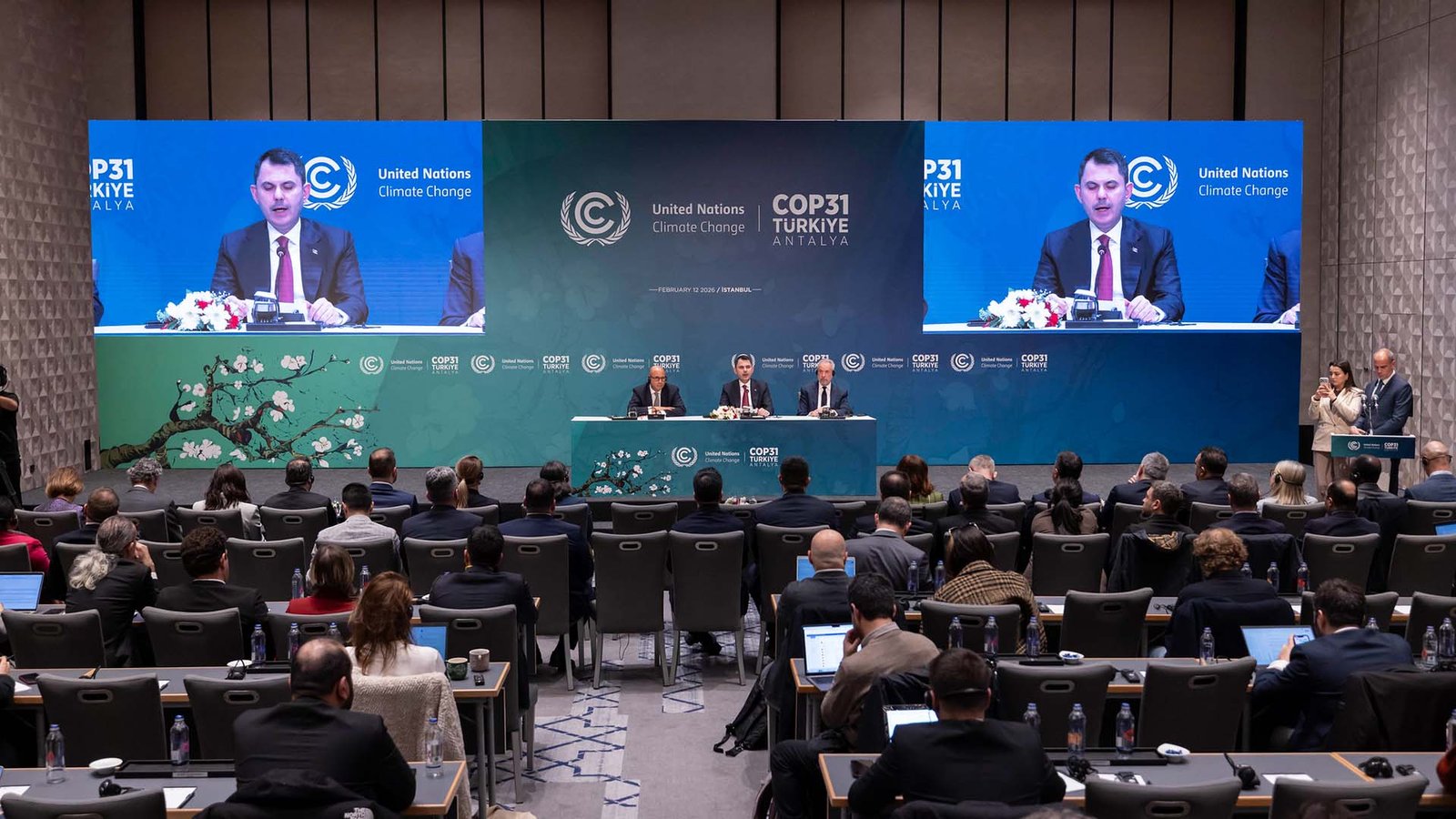
The Ministry of Labour and Social Security plans to present the draft at COP31, where implementation approaches for just transition mechanisms will be discussed, in an effort to position Türkiye as a good-practice example. However, a just transition strategy that fails to incorporate the elements outlined above cannot serve as a model for other countries.
We call for the Draft National Just Transition Strategy and Action Plan to be revised to include a coal phase-out timeline, concrete actions targeting coal regions, and policies that safeguard the rights of workers and affected communities. Trade unions, civil society organisations, women’s organisations, local governments, professional associations and local communities must be guaranteed meaningful participation in decision-making throughout the preparation and implementation processes. Plans for coal regions must include childcare and elderly care services, and all indicators in the action plan must be designed to enable the separate monitoring of the impacts of implementation on women and men.”
Photo: © Greenpeace Türkiye, Volkan Işıl