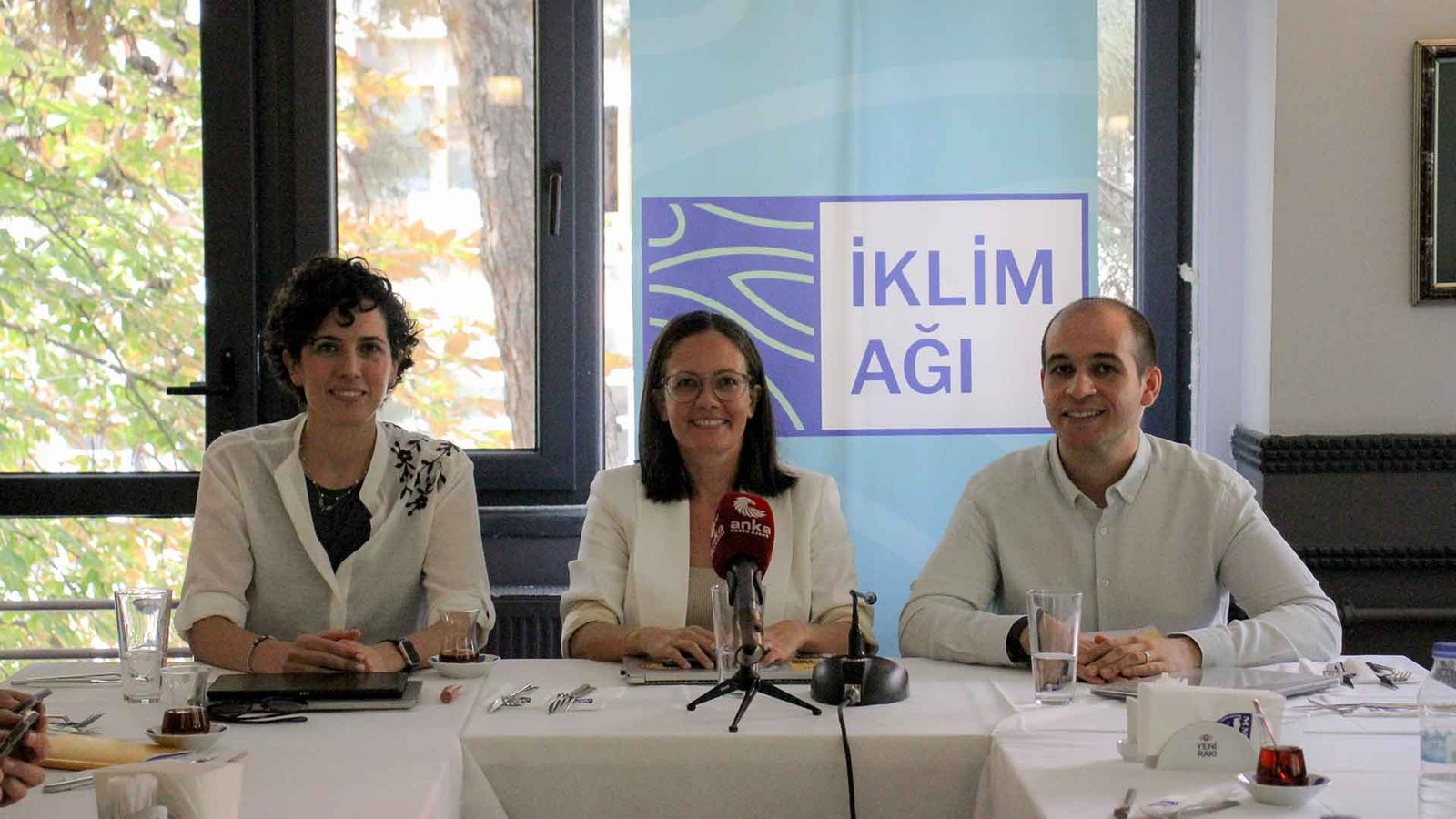
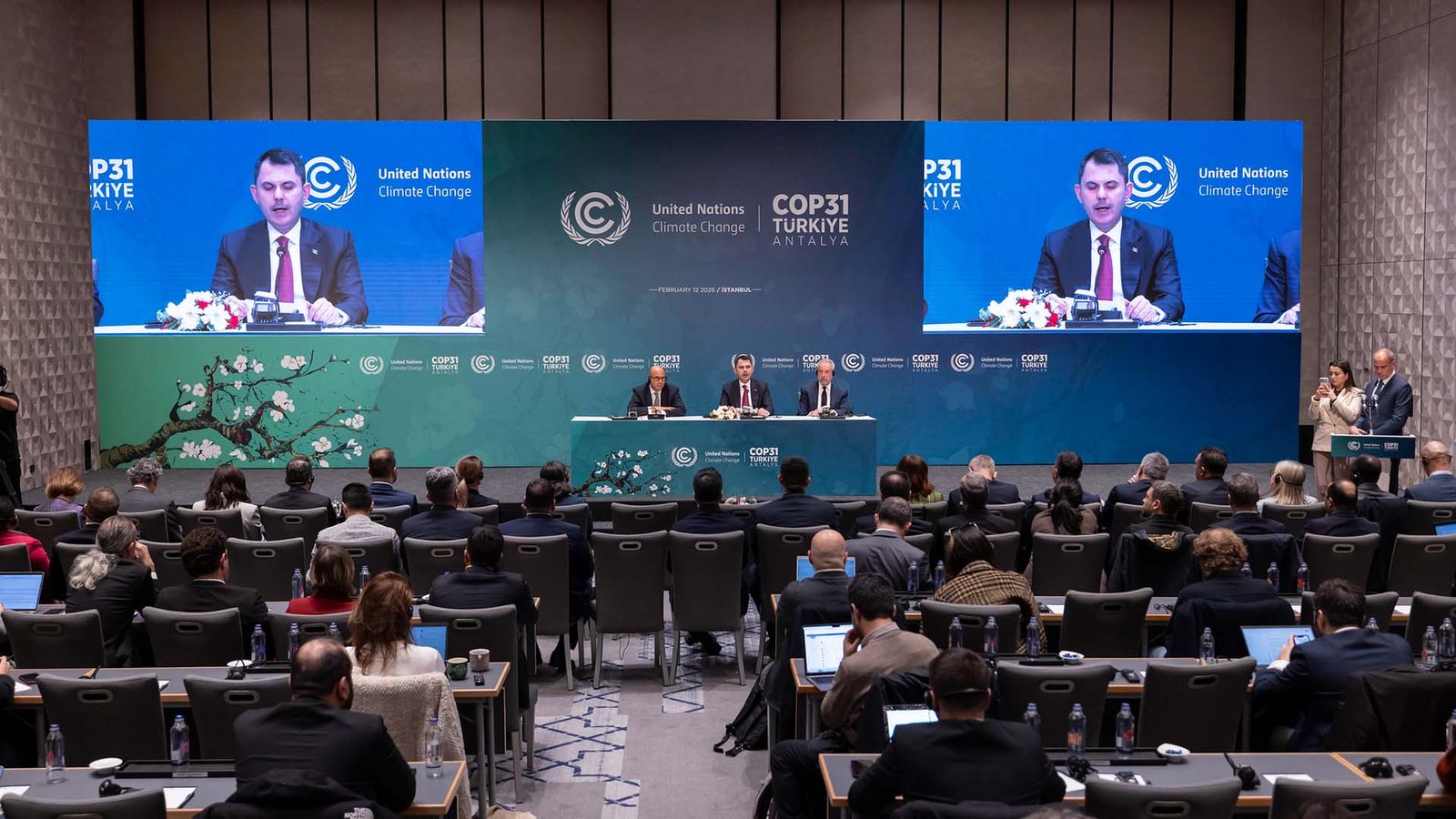
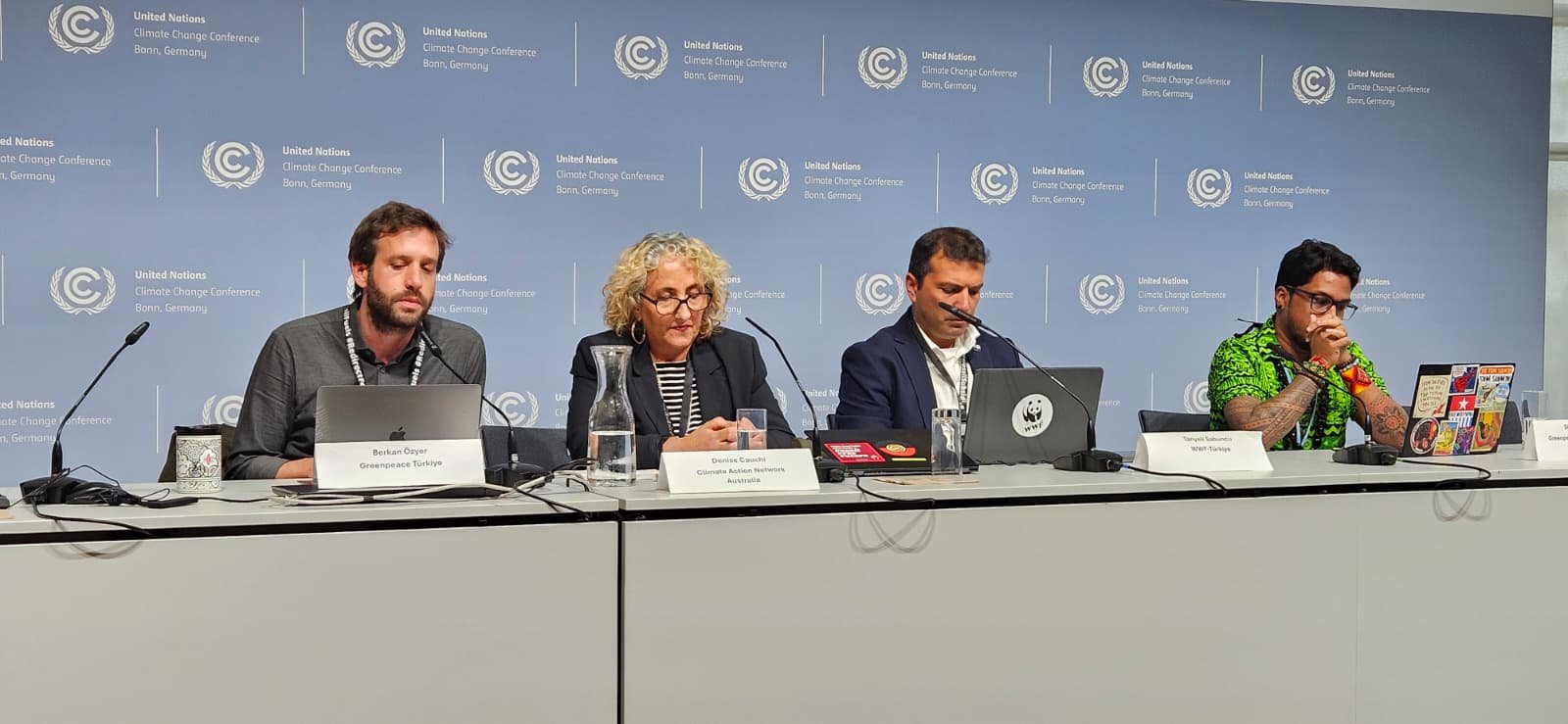
Fifteen expert civil society organizations working in the field of climate in Türkiye have come together under the umbrella of the İklim Ağı (Climate Network Türkiye). Announced to the public at a launch event held in Istanbul, the Climate Network Türkiye aims to contribute to the development of science-based and realistic targets and national policies to combat the climate crisis.
As the climate crisis increasingly intensifies its impacts on nature, living beings, and societies, the time to act is rapidly running out. Scientists and civil society organizations emphasize that, in order to avoid devastating impacts, the increase in global average temperature must be limited to 1.5°C above pre-industrial levels. To achieve this, global greenhouse gas emissions must be reduced to net zero by 2050. Within this context, the Climate Network Türkiye, established to support the development of policies that will strengthen Türkiye’s fight against the climate crisis, was founded with the participation of the following organizations: Buğday Ekolojik Yaşamı Destekleme Derneği (Buğday Association for Supporting Ecological Living), Avrupa İklim Eylem Ağı (Climate Action Network (CAN) Europe), ClientEarth, Doğa Derneği (Nature Association), Greenpeace Türkiye, Hukuk Doğa ve Toplum Vakfı (Law, Nature and Society Foundation, HUDOTO), İklim Değişikliği Politika ve Araştırma Derneği (Climate Change Policy and Research Association, İDPAD), İklim için 350 Derneği (350.org Türkiye), Mekanda Adalet Derneği (Spatial Justice Association, MAD), Sürdürülebilir Ekonomi ve Finans Araştırmaları Derneği (Sustainable Economy and Finance Research Association, SEFiA), Temiz Hava Hakkı Derneği ( Right to Clean Air Association, THHD), Türetim Ekonomisi Derneği (Regenerative Economy Association), TEMA Foundation (The Turkish Foundation for Combating Soil Erosion, Reforestation and the Protection of Natural Habitats), WWF-Türkiye and Yeşil Düşünce Derneği (Green Thought Association, YDD)
Bringing together 15 civil society organisations, the Climate Network Türkiye calls for concrete steps in critical areas such as energy transition and the protection of ecosystem integrity. Emphasising that combating climate change is not merely a nature conservation issue but also requires a profound socioeconomic transformation, members of the Climate Network Türkiye stress the need to set climate targets that commit to reducing greenhouse gas emissions starting today. They underline that phasing out coal in electricity generation, implementing policies that ensure a just energy transition, and introducing effective measures to protect natural areas are also essential for a transformation that enhances societal well-being.
Current Policies Are Not Leading Us onto a Safe Path
Speaking at the launch event, Tanyeli Behiç Sabuncu, Climate and Energy Program Director at WWF-Türkiye, highlighted that current policies do not deliver emissions reductions compatible with the critical 1.5°C threshold. In this context, she emphasised the need for ambitious interim targets to make Türkiye’s 2053 net-zero vision achievable. She stated that the 2030 commitment submitted under the Paris Agreement should be revised to include absolute emissions reductions, and that the subsequent 2035 target should not only foresee emissions reductions aligned with the net-zero goal but also be supported by concrete steps toward a just energy transition.
Berna Balcıoğlu, Deputy Head of the Environment Policies and International Relations Department at TEMA Foundation, noted that the draft Climate Law, scheduled to enter into force in 2025, does not include the mitigation and adaptation targets necessary for an effective fight against climate change. Stressing that the climate crisis is a multi-layered problem, Balcıoğlu emphasised the vital importance of inclusive approaches to climate policy formulation and the need to involve civil society in these processes. In this context, she expressed confidence that the Climate Network Türkiye—established together with expert civil society organisations—would become an effective stakeholder in shaping Türkiye’s climate policies, stating: “We must not forget that ensuring climate justice requires the active involvement of all groups affected by the climate crisis in policy-making processes.”
Expectations from Türkiye’s Climate Policies
The meeting also featured a panel titled “Perspectives on Climate Policies in Türkiye: Assessment of 2024 and Expectations for 2025.” Moderated by Özlem Katısöz, Senior Climate and Energy Policy Coordinator at CAN Europe, the panel included Özge Doruk, Project Coordinator at Yeşil Düşünce Derneği, and Taylan Kurt, Analyst at the Sustainable Economy and Finance Research Association (SEFiA). While assessing Türkiye’s current situation, panellists articulated civil society’s demands regarding the second Nationally Determined Contribution (NDC) expected to be announced in 2025.
Civil society organisations welcomed the target announced at the 29th Conference of the Parties (COP29) to quadruple solar and wind energy capacity over ten years under the Energy Transition Renewable Energy 2035 Roadmap. However, they identified as deeply concerning the absence of a fossil fuel phase-out, including coal, in the National Energy Plan and the 2053 Long-Term Climate Change Strategy, as well as the commitment to triple nuclear energy capacity by 2050. One of the key messages of the panel was that phasing out coal is indispensable on the path to net zero. It was also clearly stated as a demand that the Climate Law, intended to form the legal basis of Türkiye’s climate policies, must include a 35% absolute emissions reduction target by 2030.
Furthermore, the importance of the national just transition strategy expected to be announced by the Ministry of Labour and Social Security by 2026 was emphasised, along with the need to define sectoral targets within the strategy and action plans. Participants called for the development of rights-based, inclusive, just transition plans that ensure no one is left behind, protect the existing workforce, secure workers’ livelihoods, and provide decent new jobs. It was also emphasised that renewable energy projects must be planned to respect nature and ensure public participation.
Members of the Climate Network Türkiye
- Buğday Ekolojik Yaşamı Destekleme Derneği (Buğday Association for Supporting Ecological Living)
- Avrupa İklim Eylem Ağı (Climate Action Network (CAN) Europe)
- ClientEarth
- Doğa Derneği (Nature Association)
- Greenpeace Türkiye
- Hukuk Doğa ve Toplum Vakfı (Law, Nature and Society Foundation, HUDOTO)
- İklim Değişikliği Politika ve Araştırma Derneği (Climate Change Policy and Research Association, İDPAD)
- İklim için 350 Derneği (350.org Türkiye)
- Mekanda Adalet Derneği (Spatial Justice Association, MAD)
- Sürdürülebilir Ekonomi ve Finans Araştırmaları Derneği (Sustainable Economy and Finance Research Association, SEFiA)
- Temiz Hava Hakkı Derneği ( Right to Clean Air Association, THHD)
- Türetim Ekonomisi Derneği (Regenerative Economy Association)
- TEMA Foundation (The Turkish Foundation for Combating Soil Erosion, Reforestation and the Protection of Natural Habitats)
- WWF-Türkiye
- Yeşil Düşünce Derneği (Green Thought Association, YDD)